


Watching your dog grow older is bittersweet. Those puppy days of boundless energy may be behind you, but the bond you share with your senior dog is deeper and more meaningful than ever. As your faithful companion enters their golden years, their needs change — and so should your approach to their care.
At Secret Haven Shop, we're committed to helping pet parents provide the best possible life for their furry friends at every stage. Here are eight essential ways to keep your senior dog happy, healthy, and comfortable in 2026.
:strip_icc()/GettyImages-1207792066-ec05e0734bc84d7a9c0b9a7e1e288905.jpg)
When Is a Dog Considered "Senior"?
The age at which a dog becomes a senior varies by breed and size. Generally:
- Small breeds (under 20 lbs): Senior at 10-12 years
- Medium breeds (20-50 lbs): Senior at 8-10 years
- Large breeds (50-90 lbs): Senior at 7-8 years
- Giant breeds (over 90 lbs): Senior at 5-6 years
Regardless of the number, pay attention to changes in your dog's behavior, energy level, and physical condition — these are often the first signs that your pup is entering their senior years.
1. Schedule More Frequent Veterinary Checkups
While annual vet visits are sufficient for most adult dogs, senior dogs benefit from checkups every six months. Older dogs are more susceptible to conditions like arthritis, diabetes, kidney disease, cancer, and cognitive decline. Regular bloodwork, urinalysis, and physical exams can catch these issues early when they're most treatable.
Talk to your vet about age-appropriate screenings and any changes you've noticed in your dog's behavior, appetite, or mobility.
2. Adjust Their Diet for Aging Needs
Senior dogs have different nutritional requirements than younger dogs. As metabolism slows and activity levels decrease, your dog may need:
- Fewer calories to prevent weight gain, which puts extra stress on aging joints.
- Higher-quality protein to maintain muscle mass without overworking the kidneys.
- Joint-supporting supplements like glucosamine, chondroitin, and omega-3 fatty acids.
- Easily digestible ingredients that are gentle on an aging digestive system.
- Increased fiber to support healthy digestion and prevent constipation.
Consult your veterinarian before making any major dietary changes, and transition to new food gradually over 7-10 days to avoid stomach upset.
3. Keep Them Moving With Gentle Exercise
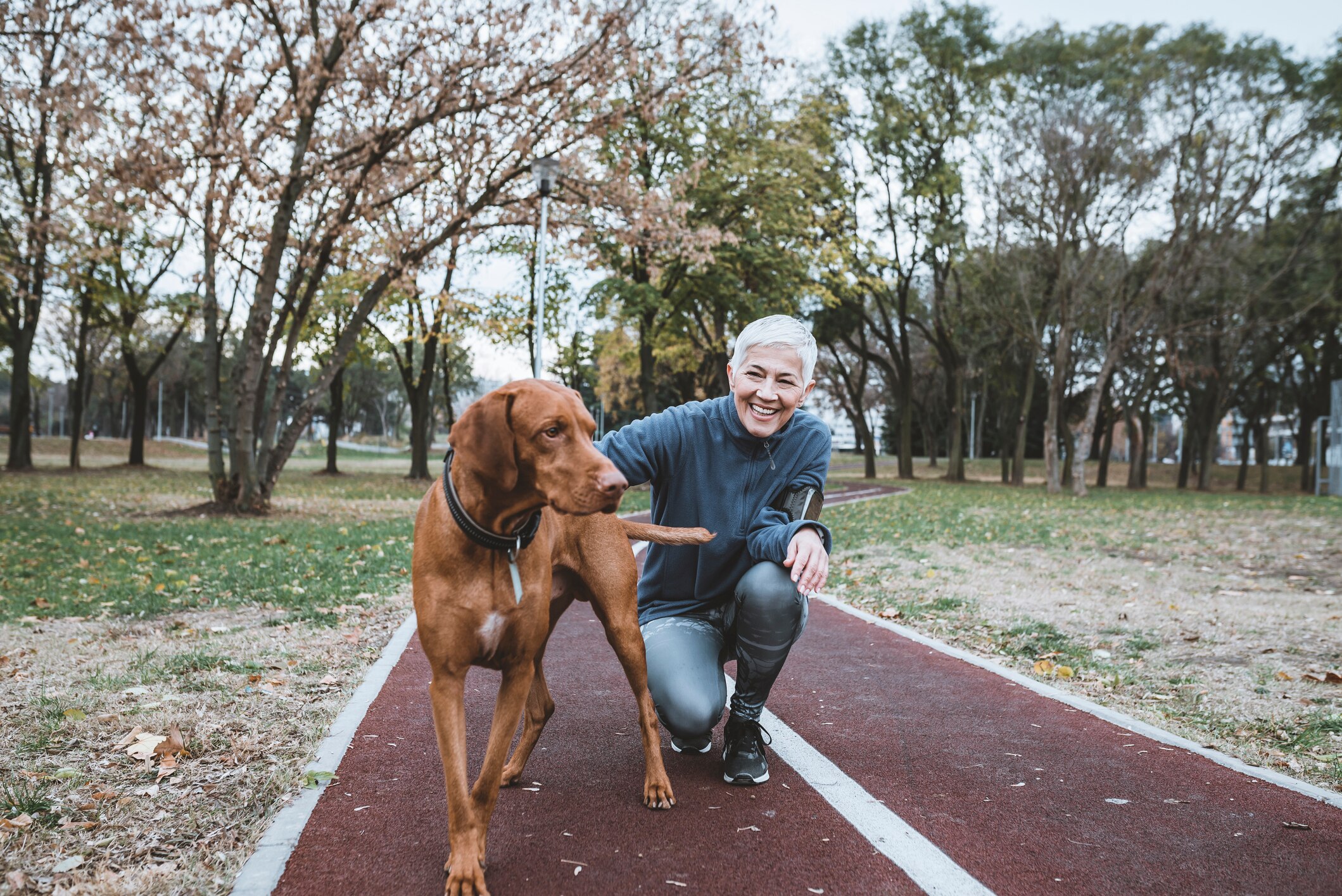
Exercise remains important for senior dogs, but the type and intensity should be adjusted. Instead of long runs or intense fetch sessions, focus on:
- Shorter, more frequent walks — two or three 15-20 minute walks per day are often better than one long walk.
- Low-impact activities like swimming, which is excellent for dogs with arthritis as it provides exercise without stressing joints.
- Gentle play sessions that let your dog set the pace.
- Mental stimulation through puzzle toys and scent games, which tire the mind without taxing the body.
A comfortable, well-fitted harness is especially important for senior dogs. EcoBark's padded harnesses distribute pressure evenly across the chest, avoiding strain on the neck and spine — crucial for dogs with arthritis or spinal issues.
4. Manage Joint Health and Pain
Arthritis affects up to 80% of dogs over the age of 8. Signs include stiffness after rest, reluctance to climb stairs or jump, limping, and decreased activity. Here's how to help:
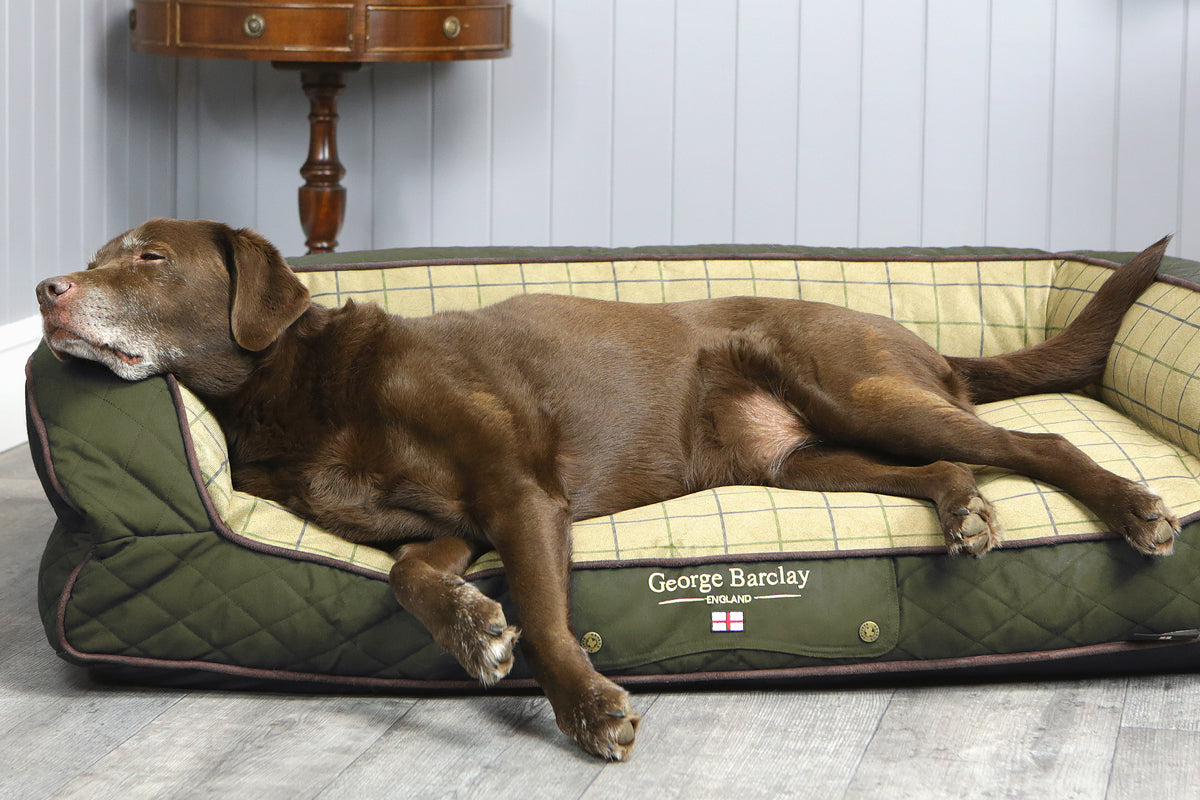
- Orthopedic dog bed: Invest in a supportive, memory foam bed that cushions aging joints and makes getting up easier.
- Joint supplements: Glucosamine, chondroitin, MSM, and fish oil can help maintain joint health and reduce inflammation.
- Ramps and stairs: Help your dog access the car, bed, or couch without jumping.
- Non-slip surfaces: Place rugs or mats on slippery floors to prevent falls and give your dog confidence when walking.
- Veterinary treatments: Your vet may recommend anti-inflammatory medications, laser therapy, acupuncture, or physical therapy.
5. Maintain Dental Health
Dental disease is one of the most common — and most overlooked — health issues in senior dogs. By age 3, most dogs already have some degree of dental disease, and it only worsens with age. Poor dental health can lead to pain, difficulty eating, and even organ damage as bacteria enter the bloodstream.
- Brush your dog's teeth regularly with pet-safe toothpaste.
- Provide dental chews and toys designed to reduce plaque and tartar.
- Schedule professional dental cleanings as recommended by your vet.
- Watch for signs of dental problems: bad breath, drooling, pawing at the mouth, or reluctance to eat hard food.
6. Watch for Signs of Cognitive Decline
Canine Cognitive Dysfunction (CCD) — sometimes called "doggy dementia" — affects many senior dogs. Symptoms include:
- Disorientation or confusion in familiar environments
- Changes in sleep patterns (restlessness at night, sleeping more during the day)
- Decreased interaction with family members
- House-training accidents in previously reliable dogs
- Staring at walls or getting stuck in corners
If you notice these signs, talk to your vet. While CCD can't be cured, it can be managed with dietary changes, supplements (like SAMe and omega-3s), environmental enrichment, and in some cases, medication.
7. Create a Comfortable Living Environment
Small changes to your home can make a big difference in your senior dog's quality of life:
- Provide easy access to food and water — elevated bowls can help dogs with neck or back pain.
- Keep their bed in a warm, draft-free area — senior dogs are more sensitive to temperature changes.
- Maintain a consistent routine — predictability reduces anxiety and confusion.
- Use nightlights for dogs with declining vision to help them navigate at night.
- Keep essentials on one floor if your dog struggles with stairs.
8. Cherish Every Moment Together
Perhaps the most important thing you can do for your senior dog is simply be present. Slow down and enjoy the quiet moments — a gentle walk in the park, a lazy afternoon nap together, or just sitting side by side watching the world go by.
Senior dogs may not have the energy of their youth, but they have something even more precious: years of love, loyalty, and shared memories. Every gray muzzle tells a story, and every slow tail wag is a reminder of the incredible bond you've built together.
Supporting Your Senior Dog With the Right Gear
As your dog ages, comfort becomes paramount. At Secret Haven Shop, our EcoBark harnesses are designed with soft, padded materials that are gentle on sensitive skin and aging joints. Our lightweight leashes give you control without adding unnecessary weight, and our adjustable collars ensure a perfect, comfortable fit as your dog's body changes over time.
Give your senior pup the comfort and care they deserve. Browse our collection today and find the perfect gear for your golden-years companion. 🐾❤️


